
Transportation Guide for Patients and Families
This guide is for patients and families of patients with Sickle Cell Disease (SCD) to learn more about low- or no-cost options for getting to medical appointments or other care. This information applies only to non-emergency medical transportation. If you have a medical emergency, please call 911.
Step 2: Choosing the best option for you
Pick the option the fits you best to explore next steps:
If you can provide your own transportation, you may have options to help pay for costs:
- Your clinic may provide you with gas gift cards to pay for fuel.
- Your health insurance plan may reimburse (pay you back for) your travel costs through your benefits.
How do I get these benefits?
Talk to the nurse, doctor, social worker, or patient assistance services at your clinic.
- Ask if your clinic can provide gas cards to help you pay for transportation.
- Gas cards are usually limited and are not meant to be a long-term solution, but they can be available in some situations.
- There may be annual limits to gas cards, and you may need to meet certain financial criteria. Assistance is not guaranteed.
- Your clinic’s social worker can tell you what resources are available and brainstorm solutions with you.
- Prepare other questions, like:
- How many times can I get gas cards?
- How do I use the gas cards?
- Can I get a gas card in advance for my next appointment?
Talk to your health insurance.
- Call the Member Services number for your health insurance provider listed on your insurance card:
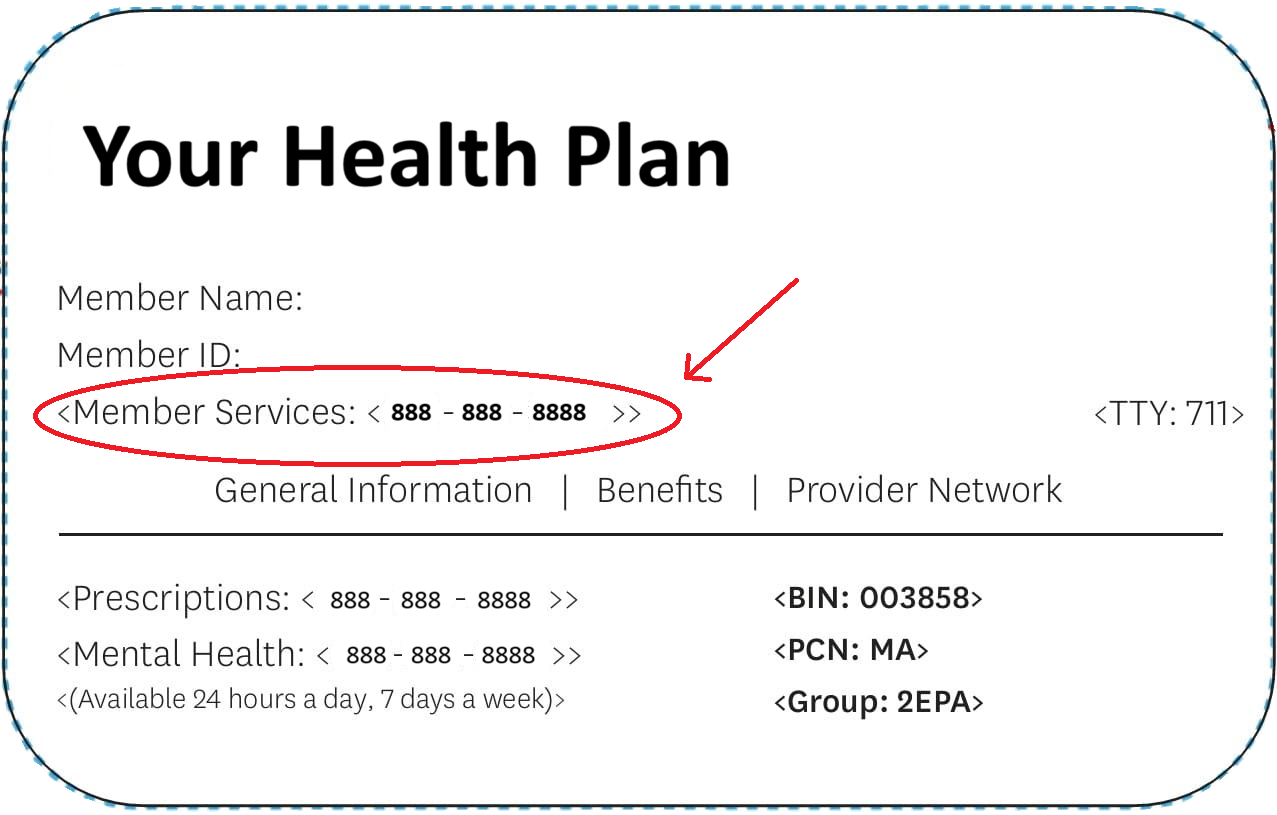
- Let your health insurance know you are having trouble paying for transportation to your health care. They will ask you questions about your situation to find the benefits that work best for you.
- Ask if they can reimburse your health care transportation costs. Note that some health insurance plans will not only pay for transportation to medical appointments, but also transportation to places like the pharmacy or lab work.
- Prepare additional questions for when you call, like:
- How do I get reimbursed?
- What transportation applies?
- Do I need to save receipts for gas?
- Do I have limits on how much or how many times I can get reimbursed?
- Are there any other restrictions?
If you can use public transportation to get to your destination, you may have options to help pay for costs:
- If you are on Medicaid or Medicare, you may be eligible for reduced fares. Some transit systems also offer free or reduced fares for people with disabilities.
- Your clinic may provide you with bus tokens to pay for your rides.
- Your health insurance may provide you with bus tokens or reimburse (pay you back for) your rides through your benefits.
How do I get these benefits?
Contact your local transit authority.
- Call or visit the website for your local transit authority to see if you are eligible for reduced fares, and learn about the application process.
Talk to the nurse, doctor, social worker, or patient assistance services at your clinic.
- Ask them if they can provide public transportation tokens to help you get to your health care destination.
- Tokens are usually limited and are not meant to be a long-term solution, but they can be available in some situations.
- There may be annual limits to tokens, and you may need to meet certain financial criteria. Assistance is not guaranteed.
- Your clinic’s social worker can tell you what resources are available and brainstorm solutions with you.
- Prepare other questions, like:
- How many times can I get bus tokens?
- How do I use the bus tokens?
- Can I get bus tokens in advance for my next appointment?
- Can I get tokens for my child(ren) and/or other guest(s) I need to bring with me?
- Do the bus tokens expire?
Talk to your health insurance.
- Call the Member Services number for your health insurance provider listed on your insurance card:
- Let your health insurance know you are having trouble paying for transportation to your health care. They will ask you questions about your situation to find the benefits that work best for you.
- Ask if they can provide tokens for public transportation in your area. Note that some health insurance plans will not only pay for transportation to medical appointments, but also transportation to places like the pharmacy or lab work.
- Prepare other questions for when you call, like:
- How do I get the tokens?
- Are they free, or is there a cost to me?
- How do I use the tokens?
- Do I have limits on how many tokens I can receive?
- Can I get tokens for my child(ren) and/or other guest(s) I need to bring with me?
- Can I be reimbursed for my rides?
- What do I do if I need to cancel my appointment?
SCD complications may limit your ability to wait in extreme temperatures, move during a pain crisis, or use typical transit for other reasons. You may be able to use Paratransit services in your area.
- Paratransit services are a form of public transportation that provide on-demand, curb-to-curb transit for people who cannot use regular public transportation options like buses.
- Paratransit services usually require an application and a verification form that your doctor must fill out for you. Your local public transit authority must approve your application before you can start using these services.
- Visit https://mi211.org/ and search “ADA Paratransit Programs” for your zip code to see if you have Paratransit services in your area. Click on the link(s) provided in the search results to learn about the eligibility requirements and the application process.
- If you are approved for Paratransit services, follow the instructions provided by your local public transit authority to schedule your rides.
- Paratransit services may have rules and restrictions, such as:
- Scheduling your rides in advance
- Limits to how many guests or children you can bring with you
- Ability to provide car seats for children
- Ask your transportation authority about any other policies they might have.
If you can use Paratransit services to get to your destination, you may have options to help pay for costs:
- You may be eligible for reduced fares through your public transit system.
- Your clinic may provide you with vouchers for using Paratransit services.
- Your health insurance may provide you with vouchers or reimburse (pay you back for) your Paratransit rides through your benefits.
How do I get these benefits?
Call your local public transportation authority or visit their website.
- Ask whether you are eligible for Paratransit in your area.
- Prepare other questions, like:
- What policies do you have for using Paratransit?
- What areas can you transport me to (ask specifically about your destination location)?
- What is the application process?
- Do I qualify for reduced fares?
Talk to the nurse, doctor, social worker, or patient assistance services at your clinic.
- Ask if they can help you verify your eligibility for Paratransit. Your local public transportation authority may have a specific form your doctor must complete.
- Ask if your clinic can provide vouchers for Paratransit rides to help you get to your health care.
- Vouchers are usually limited and are not meant to be a long-term solution, but they can be available in some situations.
- There may be annual limits to vouchers and you may need to meet certain financial criteria. Assistance is not guaranteed.
- Your clinic’s social worker can tell you what resources are available and brainstorm solutions with you.
- Prepare other questions, like:
- How many times can I get Paratransit vouchers?
- How do I use the vouchers?
- Can I get vouchers in advance for my next appointment?
- Can I receive vouchers for my child(ren) and/or other guest(s) I need to bring with me?
- Do the vouchers expire?
Talk to your health insurance.
- Call the Member Services number for your health insurance provider listed on your health insurance card:
- Let your health insurance know you are having trouble finding transportation to your health care. They will ask you questions about your situation to find the benefits that work best for you.
- Let them know if you qualify for Paratransit services in your area. Ask if they can provide vouchers for Paratransit. Note that some health insurance plans will not only pay for transportation to medical appointments, but also transportation to places like the pharmacy or lab work.
- Prepare other questions for when you call, like:
- How do I get the vouchers?
- Are they free, or is there a cost to me?
- How do I use the vouchers?
- Do I have limits on how many vouchers I can receive?
- Can I receive vouchers for my child(ren) and/or other guest(s) I need to bring with me?
- Can I be reimbursed for my rides?
- What do I do if I need to cancel my appointment?
If you can’t use public transportation, ridesharing services (like Lyft and Uber) may work for you.
- Ridesharing is most often available in cities (urban or suburban areas), rather than rural areas.
- Your clinic may partner with a ridesharing service to help patients get to their medical care.
- Your health insurance may provide you with payment or reimburse (pay you back) for ridesharing through your benefits.
How do I get these benefits?
Talk to the nurse, doctor, social worker, or patient assistance services at your clinic.
- Ask if your clinic partners with any ridesharing services (like Uber Health) to help you get to your health care.
- Prepare other questions, like:
- How many times can I use this service?
- Do I need to schedule my own rides?
- Can my child(ren) and/or other guest(s) ride with me?
- What do I do if I need a carseat?
Talk to your health insurance.
- Call the Member Services number for your health insurance provider listed on your health insurance card:
- Let your health insurance know you are having trouble finding transportation to your health care. They will ask you questions about your situation to find the benefits that work best for you.
- Ask if ridesharing is an option for you. Note that some health insurance plans will not only pay for transportation to medical appointments, but also transportation to places like the pharmacy or lab work.
- If ridesharing is an option, prepare other questions like:
- How do I schedule rides?
- What types of things can I use this service for?
- Are rides free, or is there a cost to me?
- How many times can I use this service?
- Can my child(ren) and/or other guest(s) ride with me?
- What do I do if I need a carseat?
Most medical transportation options require scheduling in advance to get a ride. If you need a last-minute ride, a ridesharing service (like Uber or Lyft) or a taxi may be your best option.
- Rides can be scheduled to your desired location on-demand by using the mobile app for the service. For example, you can download the Uber app or the Lyft app to your smartphone to schedule rides to your location.
- Ridesharing is most often available in cities (urban or suburban areas), rather than rural areas.
- If you don’t have a smartphone, or if ridesharing isn’t available in your area, you can also consider taxi services to get to your appointment.
- Search Google or another search engine for “Taxi Services in [your city]” to look for options.
Can I get help paying for my ride if it is last-minute?
- Your clinic may partner with a ridesharing service to help patients get to their health care. However, this may require you scheduling your ride in advance.
- Your health insurance may provide you with payment or pay you back for ridesharing through your benefits. However, this may require scheduling your ride in advance, or by having your health insurance schedule the ride themselves.
- You may need to pay out of pocket for a last-minute ride. If you need help paying, you should ask if you can get reimbursed (paid back).
What do I do if I need help paying for a last-minute ride?
Talk to the nurse, doctor, social worker, or patient assistance services at your clinic.
- Let them know you had trouble paying for your transportation today, and ask if they have assistance available for today’s transportation costs.
- Financial assistance is usually limited and is not meant to be a long-term solution, but it can be available in some situations.
- There may be annual limits to financial transportation assistance, and you may need to meet certain financial criteria. Assistance is not guaranteed.
- Your clinic’s social worker can tell you what resources are available and brainstorm solutions with you.
- Ask if your clinic partners with any ridesharing services (like Uber Health) to help you get to your health care for the future.
- Prepare other questions, like:
- How many times can I use this service?
- Do I need to schedule my own rides?
- Can my child(ren) and/or other guest(s) ride with me?
- What do I do if I need a carseat?
Talk to your health insurance.
- Call the Member Services number for your health insurance provider listed on your health insurance card.
- Let your health insurance know you had to pay for transportation to your health care out of pocket, but you’re having trouble affording it.
- Ask if they are able to reimburse you for the costs.
- Ask what options may be available for future appointments. See the other tabs of this document for possible options and more information.
- Note that some health insurance plans will not only pay for transportation to medical appointments, but also transportation to places like the pharmacy or lab work.
If you don’t have any other way to get to an appointment, non-emergency medical transportation (NEMT) services may help.
- Your clinic or hospital may provide shuttle services to help you get to your health care.
- Your health insurance may provide you NEMT shuttle services through your benefits to help you get to your health care.
- Note that these services usually require scheduling rides several days in advance of your transportation need, as well as an approval process.
How do I get these benefits?
Talk to the nurse, doctor, social worker, or patient assistance services at your clinic.
- Let them know you are having trouble finding transportation to get to your health care.
- Ask if there are shuttle services available for you.
- Prepare other questions, like:
- How many times can I use the shuttle service?
- How do I schedule rides? Can the clinic schedule rides for me?
- Can I bring my child(ren) and/or other guest(s) with me?
- Is there a cost to me?
Talk to your health insurance.
- Call the Member Services number for your health insurance provider listed on your health insurance card.
- Let your health insurance know you are having trouble finding transportation to your health care. They will ask you questions about your situation to find the benefits that work best for you.
- Ask if they can provide an NEMT shuttle. Note that some health insurance plans will not only pay for transportation to medical appointments, but also transportation to places like the pharmacy or lab work.
- Prepare other questions for when you you call, like:
- How do I schedule rides?
- Are rides free, or is there a cost to me?
- Is there a limit to how many rides I can take?
- Can I bring my child(ren) and/or other guest(s) with me?
- What do I do if my child needs a carseat?
- What do I do if I need to cancel my appointment?
- What do I do if my driver is late?
- If you have Michigan Medicaid, learn more about your Non-Emergency Medical Transportation benefits by reading this brochure.
*If you’re unsure about public transportation or stops in your area, visit https://mi211.org/ and search for “Public Transit Authorities” in your zip code to see your options, or call 2-1-1.
**SCD may prevent you from using typical public transportation if it keeps you from waiting for the bus in extreme temperatures, if you have limited movement ability due to a pain crisis, or other possible reasons.
Step 3: Find more information
Call your local health department
- If you don’t know what your local health department is, you can search for it on the Michigan Association for Local Public Health (MALPH) website.
- Tell them your situation and ask what health care transportation options are available in the area.
- Prepare questions, like:
- Can the service transport me to a different county (if needed)?
- Is there a cost to me?
- Can I bring my child(ren) and/or guest(s) with me?
- What do I do if I need a carseat?
Contact the Sickle Cell Disease Association of America – Michigan Chapter (SCDAA-MI)
- SCDAA-MI is a non-profit organization that provides education, assistance, and advocacy for individuals living with and families affected by sickle cell disease.
- Patient advocates may be equipped to connect you to transportation or provide assistance in some cases.
- Visit their Contact Us page to get in contact with the organization and request more information.
Search Michigan 2-1-1
- Visit https://mi211.org/ and search for “Non-Emergency Medical Transportation” in your zip code to explore even more options, such as faith-based or volunteer organizations.
- Follow the steps and contact information on the website to figure out who to contact next.
- If you prefer to speak to someone on the phone, you can call 2-1-1.
Search FindHelp.Org
- Visit https://findhelp.org/ and search your zip code
- Explore the “Transit” tab for additional transportation options and resources to help pay for transportation.
- Follow the steps and contact information on the website to figure out who to contact next.
Q: Can I bring my child(ren) or a guest on my medical transport ride?
A: You can usually bring a guest when traveling with medical transportation services, but check with your transportation provider for their specific policy.
- Ask your transportation provider about what to do if your child needs a carseat. They may provide one, or you may need to provide your own.
- It’s best to notify them in advance if you will be bringing a guest.
- There may be a limit to how many guests you can bring with you.
- If your child is the patient, they are required to travel with an adult. Check with your transportation provider for additional policies.
Q: What do I do if my medical transport driver is late or doesn’t show up?
A: If you scheduled the ride through your health insurance, call the number on your health insurance card to let them know. If a specific Ride Assistance number was provided, you can call that number instead.
If you miss your appointment because of this, make sure to call your clinic and let them know what happened. They should reschedule your appointment without penalty to you.
Q: What do I do if my medical transport driver is rude?
A: Rude behavior from transportation providers is unacceptable. If the ride was scheduled through your insurance, you should file a complaint by calling the number on your health insurance card. If a specific Ride Assistance number was provided, you can call that number instead.
Talk to your doctor, nurse, social worker, or patient assistance services at your clinic at your next appointment to let them know if you have continued problems. They may be able to help you find a solution.
If you live in Ohio or get heath care in Ohio, find a list of transportation resources for Ohio counties here.
Call 2-1-1 to talk to someone about additional local resources for states other than Michigan.